The Treatment


Before
After


Before
After


The Treatment
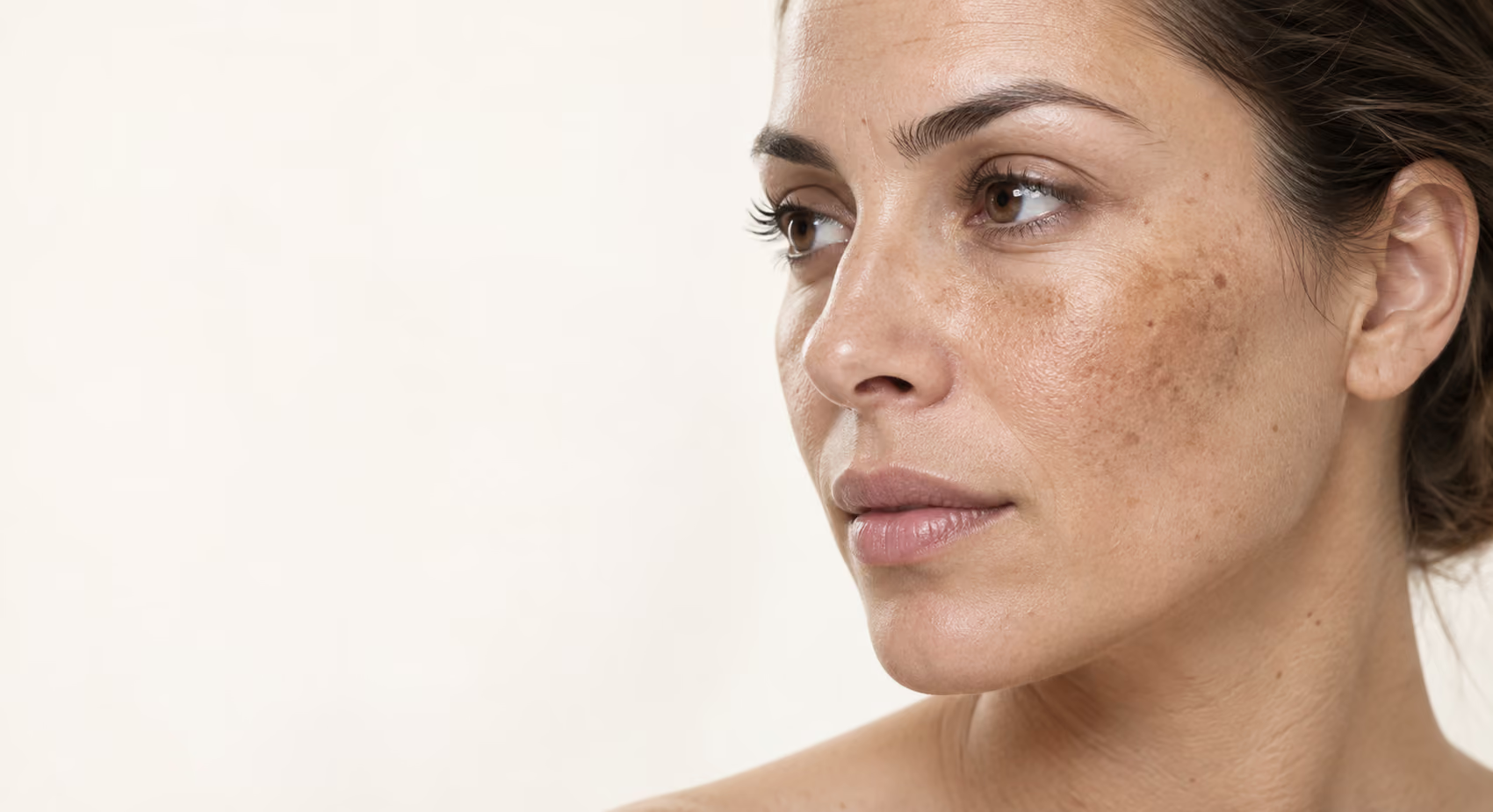
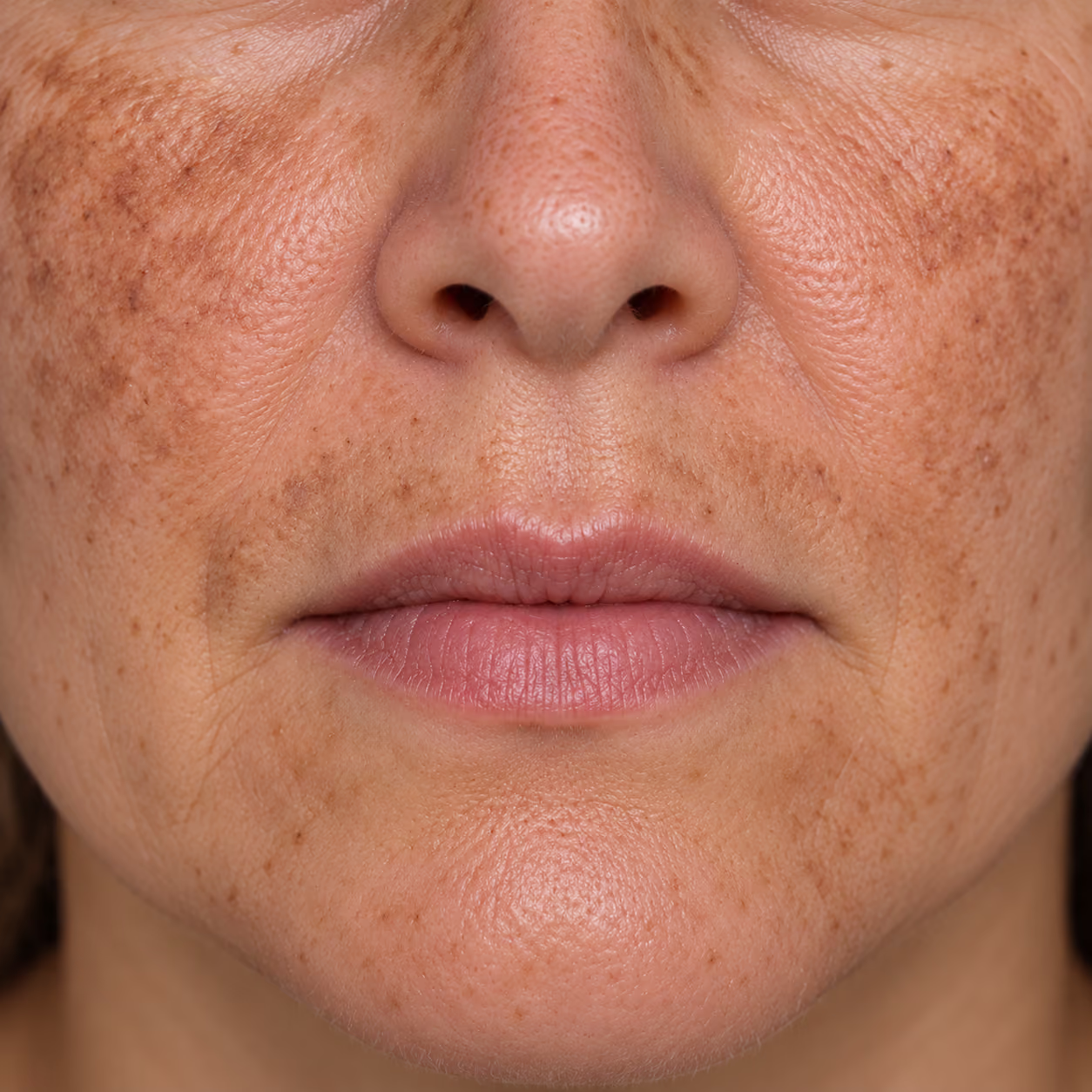
Not every dark spot is the same.
Sun exposure, previous breakouts, inflammation, and natural changes in the skin can all leave behind areas of pigmentation that make your complexion look uneven.
At Reborn Laser Clinic, we use PicoWay to treat a range of benign pigmented concerns, including sun spots, age spots, freckles, lentigines, and certain types of post-inflammatory hyperpigmentation.
Depending on your skin tone and the type of pigment being treated, we may use different PicoWay wavelengths or treatment techniques.
The goal is simple: target unwanted pigment while protecting the surrounding skin and helping your complexion look clearer and more even.

how it works
PicoWay delivers ultra-short picosecond pulses of energy that are selectively absorbed by pigment in the skin.
This energy breaks the pigment into smaller particles, allowing the body to gradually clear them through its natural processes.
Because different types of pigmentation sit at different depths and respond differently to laser energy, treatment is customized rather than using the same settings for every spot.
Depending on what we see during your assessment, we may use the PicoWay Zoom handpieces for more targeted pigmentation or a fractional Resolve treatment when a broader approach is appropriate.
what it can do


.avif)


Before treating pigmentation, we first need to understand what we are looking at.
We assess the colour, depth, and pattern of the pigment, along with your skin tone, recent sun exposure, and history of pigmentation changes.
Before your appointment, avoid tanning and excessive sun exposure and follow any skincare instructions provided during your consultation.
Your skin should be clean and free of makeup before treatment.
Your PicoWay treatment is customized based on the type and depth of pigmentation being treated.
For isolated spots, individual areas may be treated directly.
For more widespread uneven pigmentation, a broader treatment approach may be recommended.
Most clients describe the sensation as a quick snapping feeling, accompanied by some warmth.
Treatment time varies depending on the number and size of areas being treated.
After treatment, the treated area may appear red or slightly swollen.
Pigmented spots can temporarily appear darker before they begin to lighten or shed as the skin recovers.
Avoid picking, scratching, or exfoliating the treated areas.
Keep your skincare routine gentle, avoid excessive heat while the skin is recovering, and wear a broad-spectrum sunscreen every day.
QUESTIONS, ANSWERED
PicoWay’s 1064 nm wavelength can be useful when treating skin with more melanin because it penetrates more deeply and has less melanin absorption than shorter wavelengths. However, treatment of benign pigmented lesions with PicoWay is indicated for Fitzpatrick skin types I–IV. Your individual skin tone, pigmentation history, and risk of post-inflammatory hyperpigmentation are always considered before we recommend treatment.
No — and this is important. A new, changing, or suspicious pigmented lesion should not simply be treated cosmetically. If a spot has changed in size, shape, or colour, has irregular borders, bleeds, becomes symptomatic, or we are unsure what it is, we may recommend having it assessed by a physician or dermatologist before proceeding with laser treatment.
Yes. Laser treatment can target existing pigment, but it cannot stop your skin from producing new pigment in the future. Sun exposure, inflammation, hormones, and your natural tendency to pigment can all contribute to new or recurring spots. Daily sunscreen is one of the most important ways to protect your results.
Usually not. Pigment can initially look darker after laser treatment before gradually lightening as the treated pigment is cleared. The way the area responds depends on the type and depth of pigment being treated.
It depends on what we are treating. Some isolated pigment spots may respond noticeably after one or two treatments, while deeper or more widespread pigmentation can require a series. We will provide a more realistic treatment plan after assessing your skin and the pigmentation being treated.
In some cases, yes. The brown or darker marks left behind after acne are called post-inflammatory hyperpigmentation, or PIH. PIH can sometimes be treated with PicoWay, but it requires careful assessment because skin that develops PIH may also be more likely to develop pigmentation following inflammation. For some clients, skincare or a more conservative laser approach may be recommended first.
That depends on the pigment and your skin. PicoWay gives us access to multiple wavelengths and handpieces, including 532 nm and 1064 nm, allowing us to customize treatment based on pigment depth, colour, and skin tone. You do not need to know which wavelength you need before coming in. That is something we determine during your assessment.
They are not always the same thing. A sun spot or lentigo is generally a more localized area of excess pigment and can often be treated directly. Melasma is a chronic and recurring pigment condition influenced by factors such as hormones, sun exposure, and heat. Because melasma behaves differently, we approach it more conservatively and treat it as an ongoing condition rather than simply targeting individual spots.
PicoWay can be used to treat a variety of benign pigmented lesions, including sun spots, age spots, freckles, and lentigines. It may also be used for certain cases of post-inflammatory hyperpigmentation (PIH) depending on your skin type and the nature of the pigment. We assess the pigmentation first because different pigment conditions require different approaches.