The Treatment


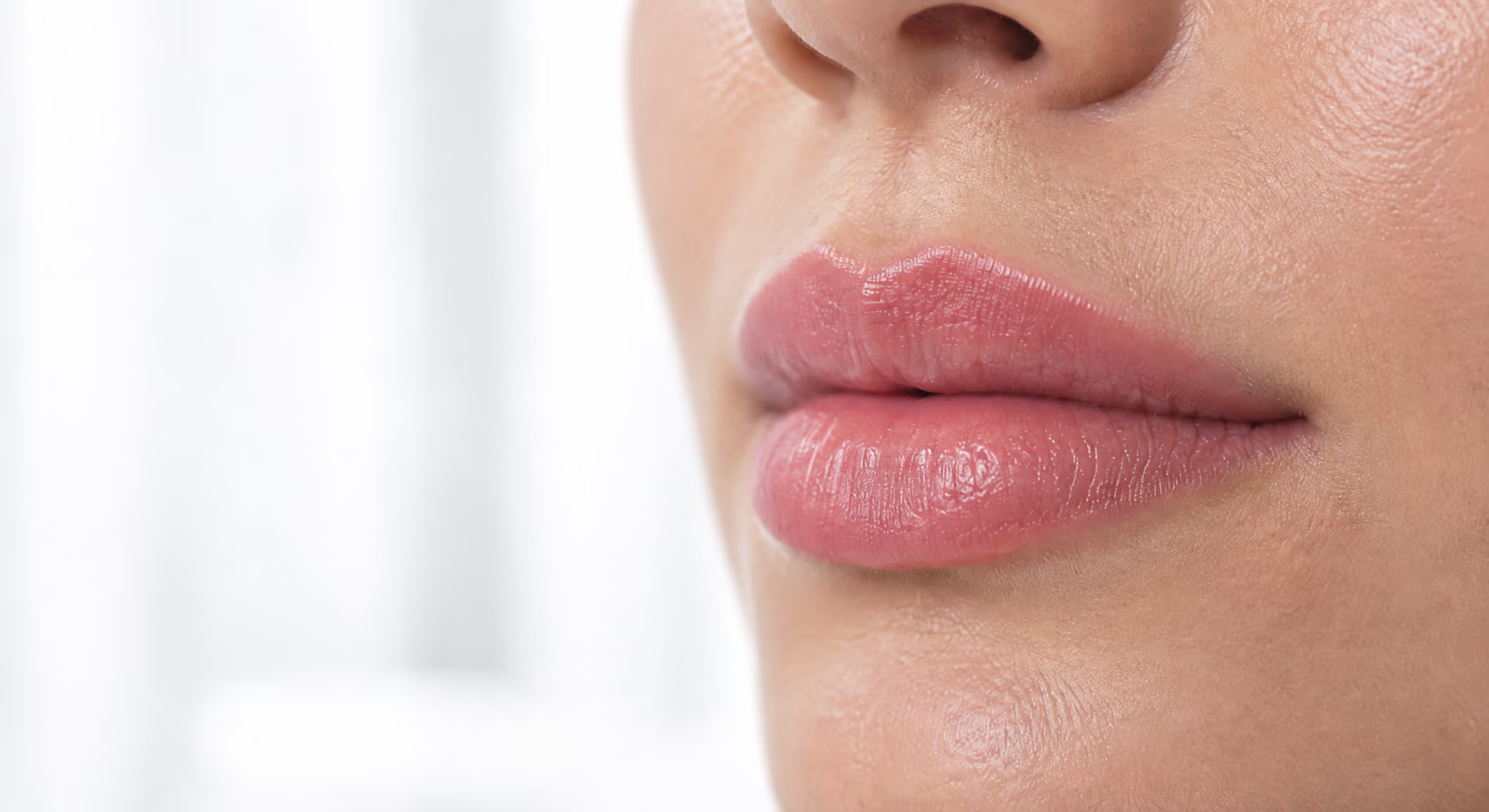
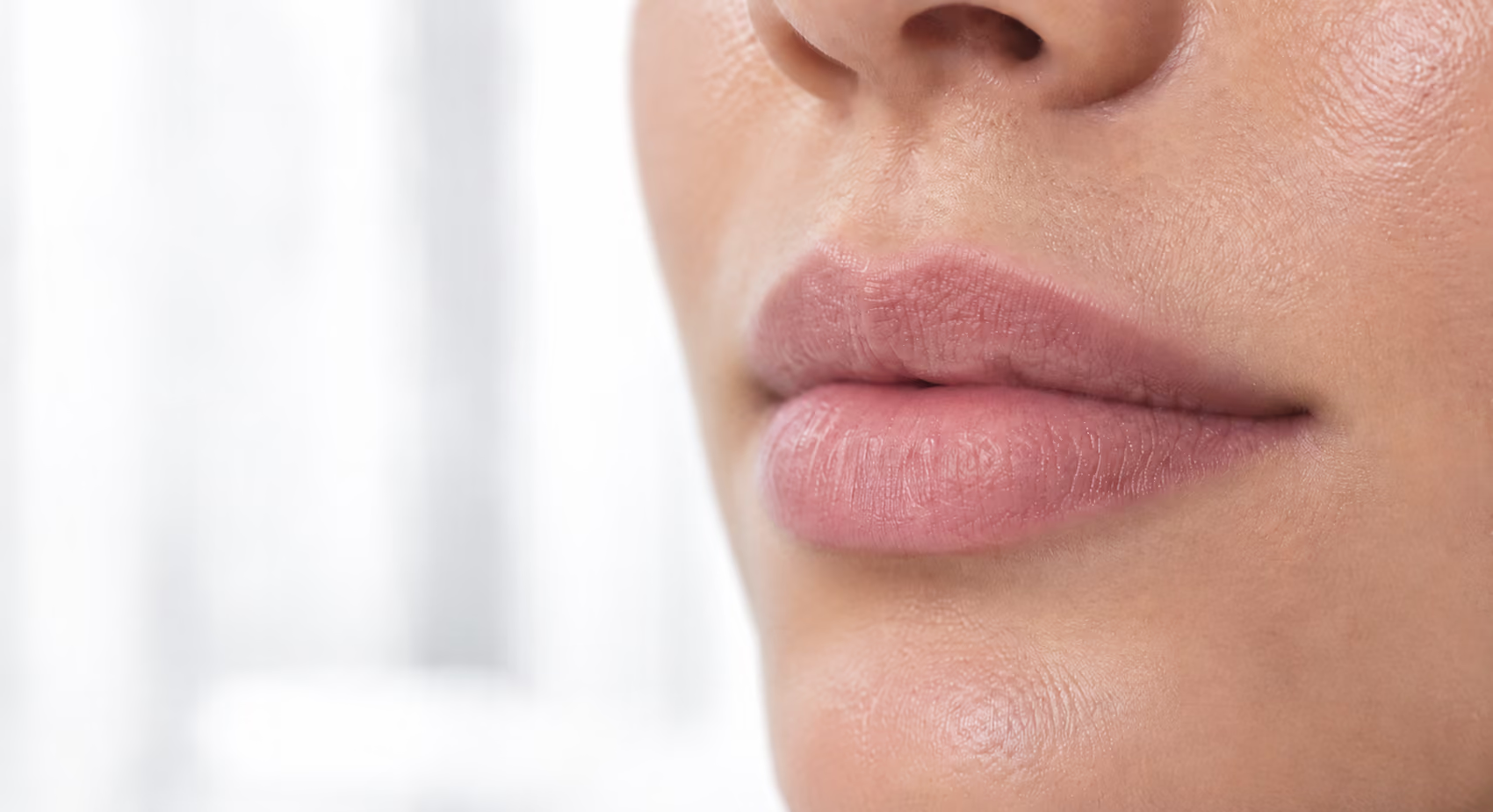
Before
After


Before
After


The Treatment
Lip blush is designed to enhance the natural colour and shape of the lips.
But pigment can fade unevenly, change tone over time, or leave you with a colour that no longer feels right for your features.
Laser lip blush removal is designed to gradually and carefully reduce unwanted cosmetic lip pigment.
Using PicoWay technology, we target the pigment while taking the delicate lip area into consideration.
The goal is not to rush the process.
It is to reduce unwanted colour carefully and create a cleaner, more natural-looking base — whether you want to lighten the pigment, prepare for a new lip blush, or work toward maximum achievable removal.
how it works
PicoWay delivers ultra-short picosecond laser pulses into the cosmetic pigment.
The laser energy breaks the pigment into smaller particles, which your body gradually clears through its natural processes.
The wavelength and treatment settings are selected according to the colour, depth, and density of the pigment present.
Lip blush pigment can be unpredictable.
Some colours may lighten quickly, while others may temporarily shift in tone as they respond to treatment. For this reason, every appointment is approached carefully and adjusted according to how your lips have healed and how the pigment is changing.
what it can do
Before treatment, we carefully assess the lip blush.
We look at the colour, density, age, and location of the pigment, as well as whether it has been treated previously.
When possible, we also ask about the products and pigments originally used.
This information helps us determine whether laser treatment is appropriate and what type of response may reasonably be expected.
If you are considering a new lip blush after removal, we will also discuss how much fading may be needed to create a suitable base.
Your lips are cleansed and prepared before treatment.
PicoWay is then applied to the pigmented areas using settings selected for your lips and the pigment being treated.
Most clients describe the sensation as a quick snapping or stinging feeling. Cooling may be used during and after treatment to improve comfort and help calm the area.
Immediately after treatment, the lips may appear lighter, frosted, swollen, or more intensely coloured.
These effects are temporary and should improve as the area heals.
The treated area needs time to recover after each appointment.
Temporary swelling, redness, tenderness, dryness, blistering, crusting, or colour changes may occur.
Follow your aftercare instructions carefully and avoid picking, rubbing, or disturbing the area while it heals.
Do not apply makeup or lip products until advised.
Your next treatment should only take place once the lips have fully healed and the pigment has had sufficient time to clear.
QUESTIONS, ANSWERED
Some cosmetic pigments can become resistant or respond unpredictably after several treatments. If further laser treatment is unlikely to provide meaningful improvement, we will explain that clearly. Our goal is to treat while there is a reasonable benefit to doing so — not to continue unnecessarily.
Scarring is uncommon when treatment is performed appropriately and aftercare instructions are followed, but it cannot be ruled out completely. Do not pick, scratch, or remove crusting from the treated area. Allow the lips to heal naturally and contact us if you notice signs of infection or unusual healing.
Lip treatments may trigger a cold sore outbreak in clients with a history of herpes simplex. Tell us before treatment if you have ever experienced cold sores. We may recommend speaking with your healthcare provider about antiviral medication before and after treatment.
Laser treatment can be performed safely when the pigment and your medical history have been appropriately assessed. However, all treatments carry potential risks. These may include prolonged redness, swelling, blistering, infection, scarring, changes in pigmentation, cold sore reactivation, or an unexpected colour response. We will discuss the treatment and relevant risks during your consultation.
You should avoid lipstick, lip liner, and other cosmetic products on the treated area until the skin has healed and you have been advised that it is safe to resume use. Keeping the area clean and undisturbed helps support proper healing.
The lips may appear swollen, red, frosted, or darker immediately after treatment. You may also experience tenderness, dryness, blistering, or crusting as the area heals. These effects vary from person to person. You will receive detailed aftercare instructions and should contact us if you have concerns during the healing process.
Most clients describe the treatment as uncomfortable but brief. The lips are sensitive, so you may feel a snapping, stinging, or warm sensation during treatment. Cooling and other comfort measures may be used to help make the appointment more manageable.
Laser treatment may be appropriate for some cosmetic lip liner pigment. The area, colour, depth, and pigment composition all need to be assessed before treatment. Lip liner can respond differently from soft lip blush, so your treatment plan will be customized to the pigment present.
Yes, in some cases. If you want a new lip blush treatment, the existing pigment may need to be lightened first so the new colour can be applied more predictably. The amount of fading required depends on the colour and density of the existing pigment and the result you want to achieve. We recommend discussing your plans with your lip blush artist before beginning removal.
Treatments must be spaced far enough apart for the lips to heal and for your body to clear the fragmented pigment. The appropriate interval depends on how your lips respond and how much pigment remains. Treating too soon does not necessarily produce faster results and may increase the risk of irritation or complications.
There is no exact number that applies to every client. Some lip blush may require only a small number of treatments to achieve the desired level of fading. Other pigment, particularly dense or repeatedly touched-up pigment, may require several sessions. Your treatment plan will depend on whether your goal is partial fading, preparation for a new lip blush, or maximum achievable removal.
Cosmetic lip pigments can contain multiple colour components. As some colours respond before others, the remaining pigment may temporarily appear warmer, cooler, darker, or more orange-toned. This does not necessarily mean the treatment has failed. We monitor the colour as the lips heal and adjust future treatments accordingly.
No laser treatment can guarantee complete removal. Results depend on the pigment used, its colour, depth, and density, the age of the treatment, previous touch-ups, and how your body responds. Some lip blush fades very well. Other pigment may leave residual colour, a soft shadow, or a temporary change in tone.
Lip blush removal is a laser treatment designed to reduce unwanted cosmetic pigment from the lips. PicoWay targets the pigment, breaking it into smaller particles that your body can gradually clear over time. Treatment may be used for partial fading or to work toward maximum achievable removal.